#1 EHR for PT/OT Rehab

Keep Patients Engaged Between Visits
SPRY Home Exercise Program, powered by Wibbi, helps therapists assign evidence-based exercises, support patient follow-through, and keep home programs connected to the clinical workflow
Request a Demo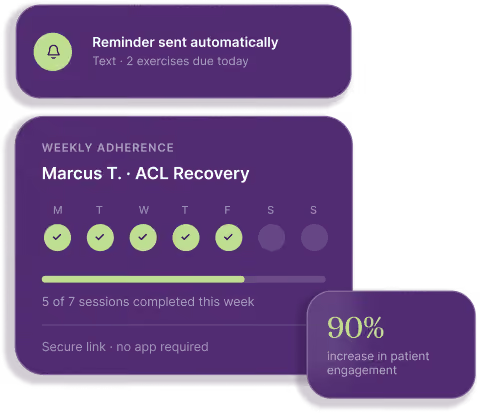
Trusted by 1000+ Rehab Therapy Clinics






Home Programs Lose Value When They Are Disconnected From the Visit

Exercises become a separate task
If HEPs live outside documentation and care planning, therapists have to leave the workflow to assign or update them

Patients need support between visits
Care does not stop when the appointment ends. Patients need clear exercises and guidance they can follow at home

Home programs should reflect clinical progress
HEPs are more useful when they stay aligned with goals, functional progress, and the plan of care
From Plan of Care to Exercises Patients Can Follow
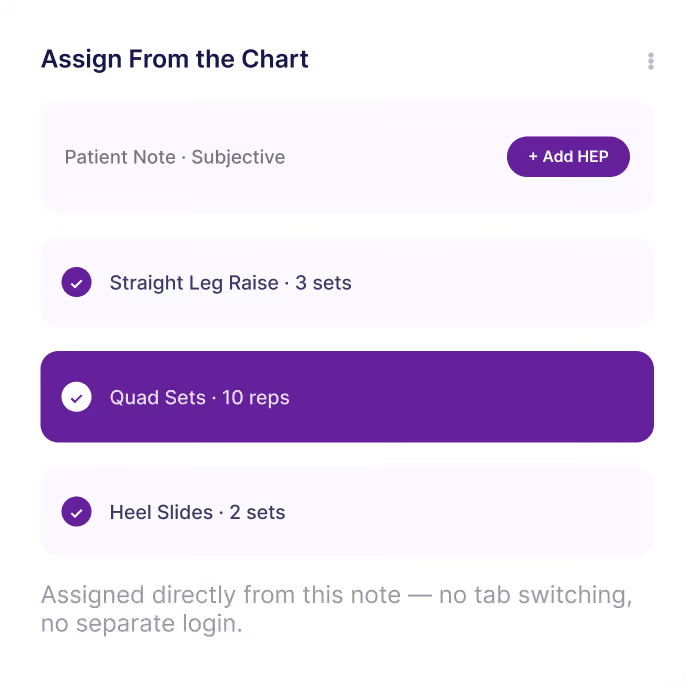
SPRY brings Wibbi-powered home exercise workflows into the patient chart so therapists can assign, customize, send, and update home programs without leaving the clinical workflow
Documentation Should Fit the Therapist’s Day
SPRY supports more flexible documentation workflows so therapists can review patient context, capture visit details, and keep notes moving without being tied to one workstation.
“I used dictation for follow-up notes for the first time and cut my average at-home daily note time from five minutes to two minutes on the first trial. I was able to dictate during my commute and arrived at the clinic with just the planning section left.”
JJ Lawley, PT, DPT, Clinical Director, Orthopedic Physical Therapy Services

From Separate Exercise Tools to Connected Patient Engagement
Everything Needed to
Keep Home Programs Connected to Care, Built In
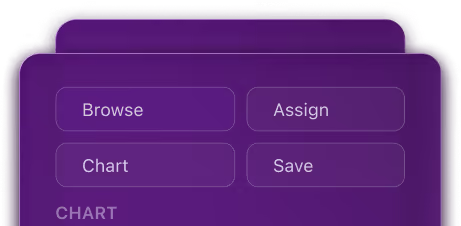
Assign From the Chart
Browse and assign exercises from inside the SPRY workflow.
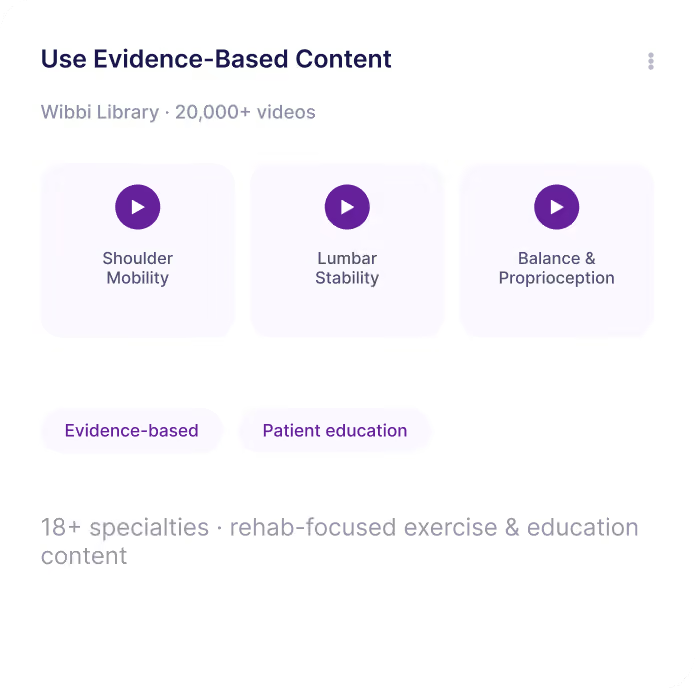
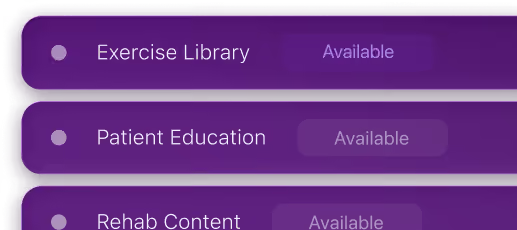
Wibbi Exercise Library
Access rehab-focused exercise content and patient education.
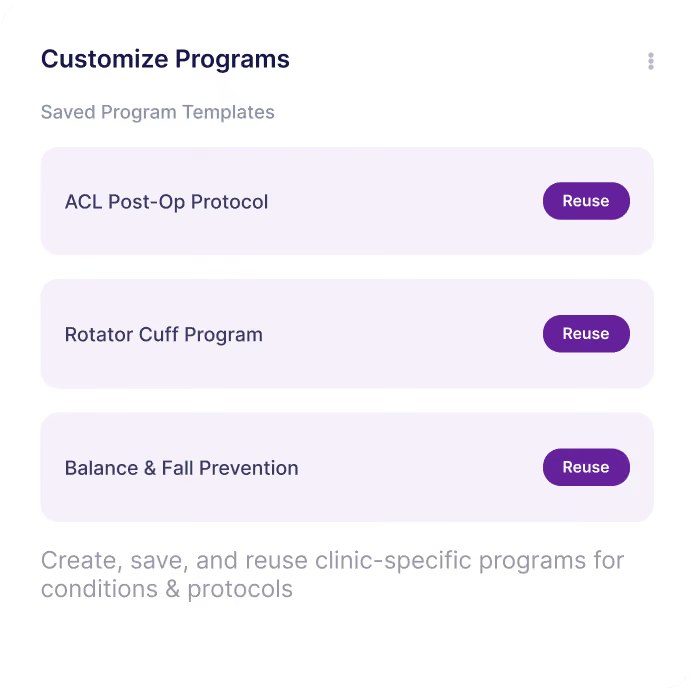
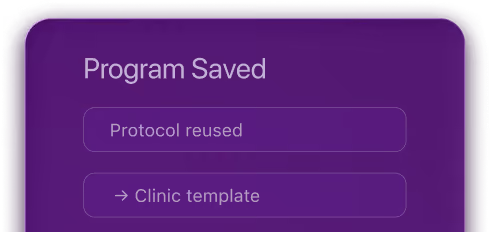
Custom Programs
Create, save, and reuse clinic-specific programs for conditions and protocols.
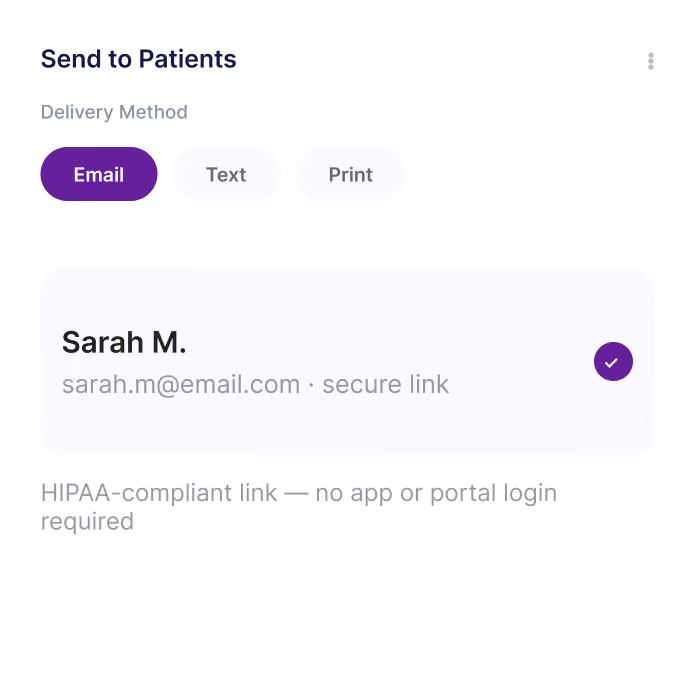
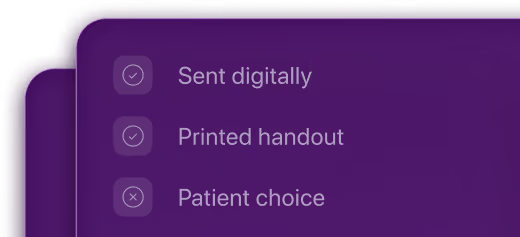
Digital or Printed Delivery
Share home programs digitally or as printed handouts.
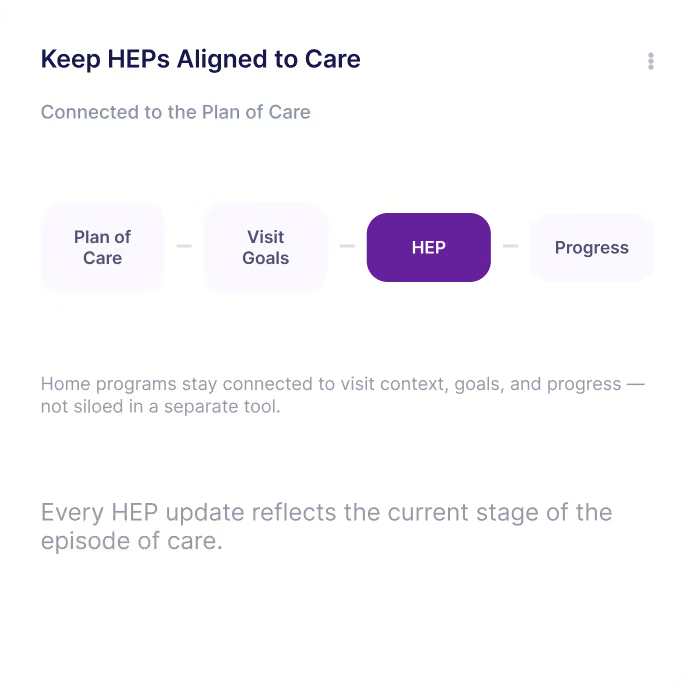
Care Plan Alignment
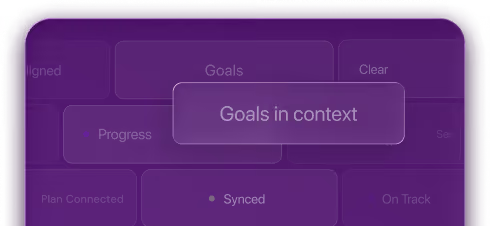
Connect home programs to visit context, goals, and progress.
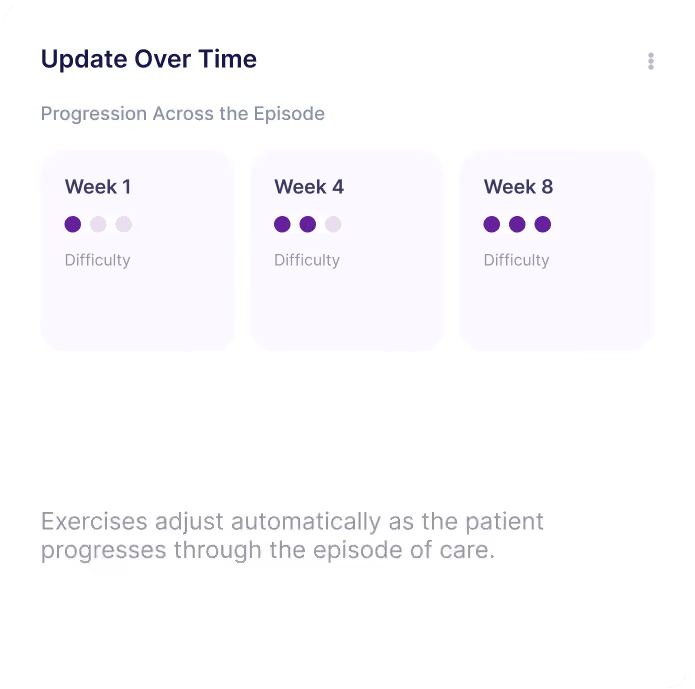
Program Updates
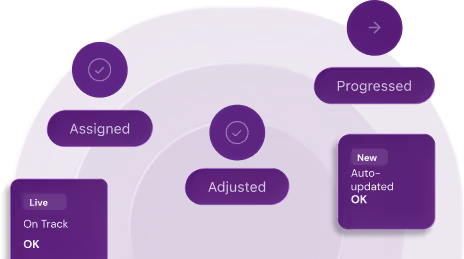
Adjust exercises as the patient progresses through the episode of care.
More Patient Follow-Through Between Visits
100 active HEP patients/month × better follow-through between visits
=
more patients staying connected to care outside the clinic
100 HEP patients/month × 2 minutes saved assigning each program
=
3+ hours of clinician time returned every month



Hear How Therapists Stay Present, Finish Notes Faster, and Document With Confidence
Explore Related Features

AI Scheduling
Keep appointment workflows tied to provider availability, visit type, location, and real-time schedule changes.
● NEWDigital Intake
Collect demographics, insurance details, consents, and visit context before the appointment so the clinic starts the visit with cleaner information.
Patient Connect
Connect scheduling, reminders, intake, portal access, check-in, payments, and follow-up in one patient journey.

Reporting & Analytics
Track referral sources, scheduled visits, and growth performance.
Eligibility Verification
Confirm coverage before appointments are finalized.
Got questions? We’ve got answers.
Need more help? Reach out to us.